

The Beginning of Responsibility
From the very beginning of creation, the book of Genesis shows us that God did not create humanity to live without purpose. He created people to work, provide, nurture, and care for one another. After Adam and Eve left the Garden of Eden, life changed dramatically. No longer would everything simply be handed to them. Humanity would now learn responsibility, labor, sacrifice, and dependence on God.
Life After Eden
In the Garden, God provided everything Adam and Eve needed:
- Food from every tree except one (Genesis 2:16–17)
- Companionship
- Purpose
- Shelter in God’s presence
But after sin entered the world, mankind had to work the ground for survival.
“By the sweat of your brow you will eat your food…” — Genesis 3:19
This was not God abandoning humanity. Instead, it was part of teaching mankind responsibility, stewardship, and dependence on Him. Families now had to provide food, clothing, and shelter for themselves through labor and cooperation.
Adam and Eve’s children, Cain and Abel, became examples of this new reality.
Cain the Farmer and Abel the Shepherd
The story of Cain and Abel in Genesis 4 is one of the earliest pictures of human occupations.
“Now Abel kept flocks, and Cain worked the soil.” — Genesis 4:2
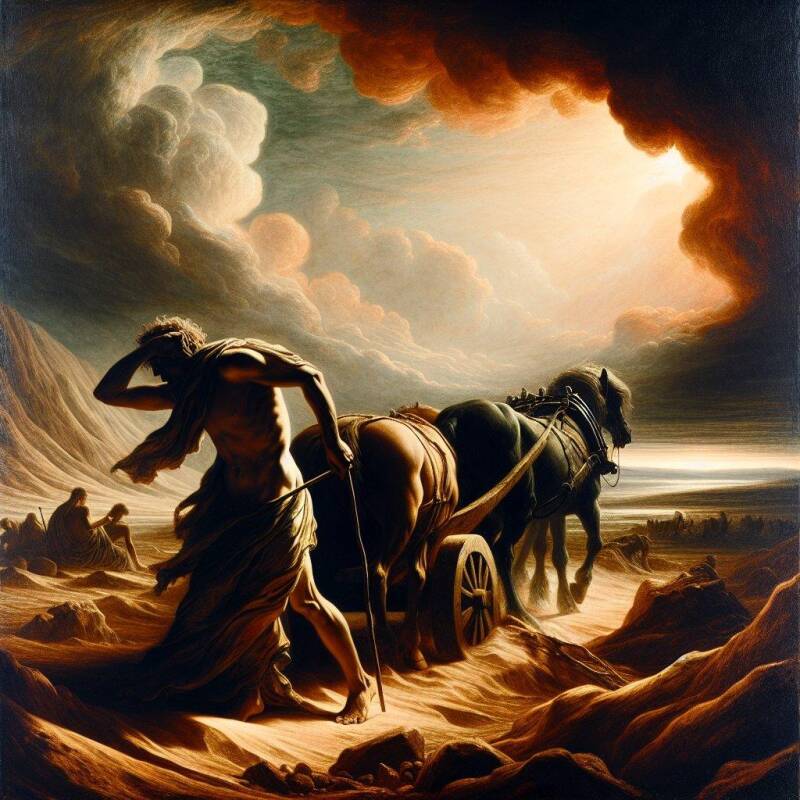
Cain became a farmer. He worked the land, planted crops, and depended on the earth for food. Abel became a shepherd, caring for sheep and livestock. These were not random jobs — they represented the foundation of survival in the ancient world.
Cain: Working the Soil
Cain’s work would have involved:
- Breaking hard ground
- Planting seeds
- Harvesting crops
- Depending on rain and seasons
- Producing food for the family
Farming required patience, endurance, and trust that God would provide growth. Even today, farmers understand that despite hard work, they still depend on weather, seasons, and conditions outside their control.
The Bible continually uses farming imagery because it reflects spiritual truths:
- We plant seeds of faith
- God brings growth
- Harvest comes in its season
Abel: Caring for the Flocks
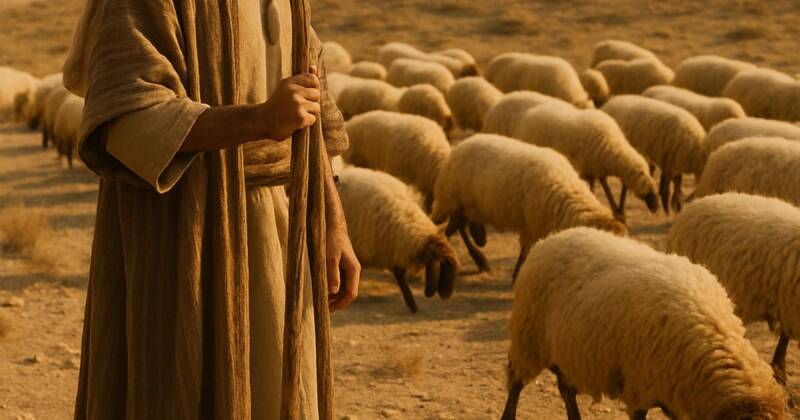
Abel’s role as a shepherd was equally important. Shepherds protected, guided, and cared for animals that provided:
- Wool for clothing
- Milk for nourishment
- Meat for food
- Animals for sacrifices
Shepherding became one of the most symbolic occupations in Scripture. Later, many great biblical figures were shepherds:
- Abraham
- Moses
- David
- And ultimately Jesus, called the “Good Shepherd”
A shepherd’s life required:
- Constant watchfulness
- Protection from danger
- Gentle leadership
- Sacrifice for the flock
This is why shepherd imagery became such a powerful picture of God’s care for His people.
Providing for Family Was Part of God’s Design
Genesis teaches that work itself is not a curse — painful toil is the result of the Fall, but purposeful labor existed before sin entered the world. God designed humanity to:
- Build
- Create
- Cultivate
- Protect
- Care for family
Cain and Abel each contributed differently, but both occupations served the needs of the household and community.
This still speaks to families today. God calls people to:
- Provide for one another
- Use their gifts responsibly
- Care for those entrusted to them
- Honor Him through faithful work
Whether someone works with their hands, teaches, serves, raises children, farms, builds, or leads, all honest labor has dignity before God.
Ancient Occupations Still Practiced Today
One fascinating aspect of Genesis is how recognizable these occupations still are thousands of years later.
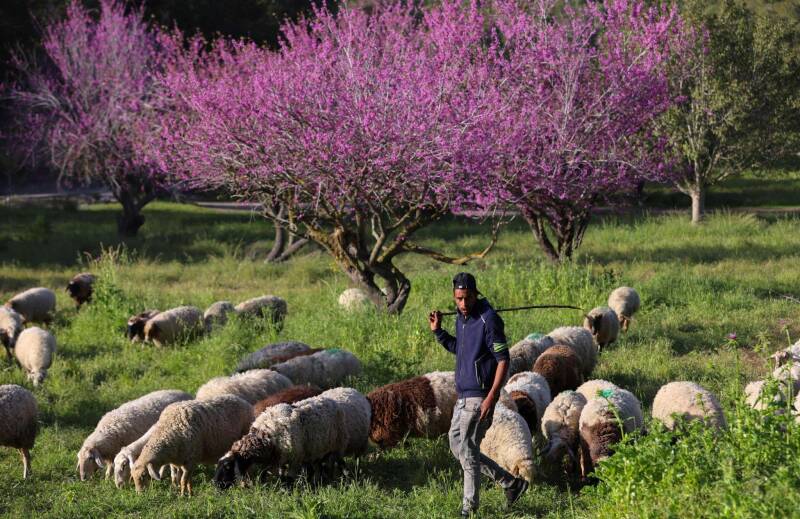
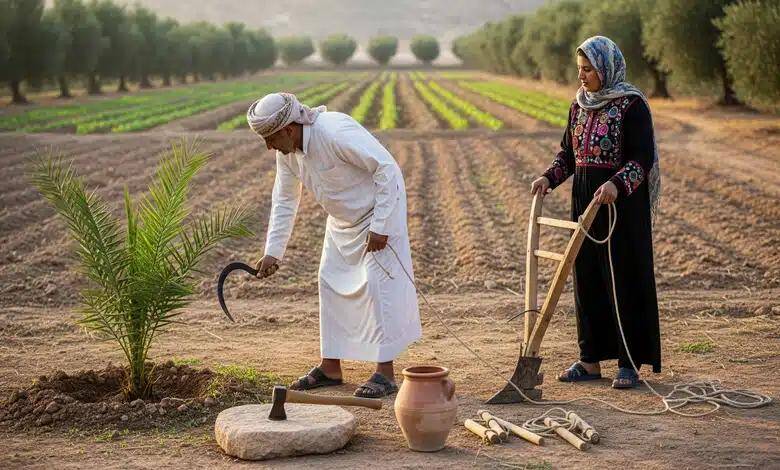
In parts of the Middle East today, especially rural areas, people still:
- Herd sheep and goats
- Farm dry land
- Tend vineyards and olive groves
- Live closely connected to the land and seasons
Many shepherds still guide flocks through rocky hillsides much like those around ancient Canaan. Farmers still rise early to tend crops in dry climates dependent on seasonal rain.
Seeing these traditions continue helps modern readers better understand the world of Genesis. The Bible is not merely abstract theology — it is rooted in real people, real work, and real daily life.
What Genesis Teaches Us Today
The story of Cain and Abel reminds us that:
- God values purposeful work
- Families are meant to care for one another
- Different gifts serve different roles
- Provision ultimately comes from God
- Worship matters more than outward success
The issue between Cain and Abel was not their occupations, but their hearts before God. Abel honored God sincerely, while Cain allowed jealousy and anger to grow unchecked.
Even in humanity’s earliest generations, God was teaching:
- Responsibility
- Stewardship
- Worship
- Obedience
- And the importance of the heart
Genesis is far more than a story about the beginning of the world. It is the beginning of understanding humanity itself. Through Cain the farmer and Abel the shepherd, we see people learning how to survive, provide, worship, and live together outside the Garden.
And even thousands of years later, the echoes of those ancient lives can still be seen in the fields, farms, and shepherd paths of the Middle East today.
God’s design for work, family, and provision has never disappeared. It continues to remind us that every good gift, every meal, every provision, and every breath ultimately comes from Him.
Add comment
Comments