

The Meaning of the Firstborn in the Bible
The idea of the “firstborn” is deeply important throughout Scripture. In biblical times, the firstborn child—especially the firstborn son—held a unique position in the family, inheritance, leadership, and spiritual life of Israel. But the Bible also uses the idea of the firstborn symbolically to reveal God’s character, His promises, and ultimately the role of Jesus Christ.
The Firstborn Belonged to God
One of the clearest biblical teachings is that the firstborn was considered holy and set apart to the Lord.
After God delivered Israel from Egypt during the Passover, He declared:
“Consecrate to me every firstborn male. The first offspring of every womb among the Israelites belongs to me.” — Exodus 13:2
This was connected to the final plague in Egypt, when the firstborn of Egypt died but the Israelite households protected by the blood of the lamb were spared. From that point forward, the firstborn became a reminder of God’s mercy, redemption, and covenant.
The firstborn represented:
- Dedication to God
- Gratitude for life
- Recognition that everything ultimately belongs to Him
- The continuation of the family line
The Firstborn Received a Double Portion
Under Old Testament law, the firstborn son usually received a greater inheritance.
Deuteronomy 21:17 says the firstborn was to receive:
“a double portion of all that the father has.”
This was not just favoritism. The firstborn often carried:
- Leadership responsibilities
- Care for the extended family
- Spiritual authority in the household
- Preservation of the family name and legacy
The role came with blessing, but also responsibility.
In many ways, the firstborn was expected to reflect the values and direction of the family.
God Often Challenged Human Expectations About Firstborns
One of the most interesting patterns in Scripture is that God frequently chose younger siblings instead of the natural firstborn.
Examples include:
- Abel instead of Cain
- Isaac instead of Ishmael
- Jacob instead of Esau
- Joseph receiving favor among his brothers
- David, the youngest son, becoming king
This teaches an important spiritual truth:
God values the heart more than birth order, status, or human tradition.
1 Samuel 16:7 says:
“People look at the outward appearance, but the Lord looks at the heart.”
So while the firstborn held honor and responsibility, God continually reminded His people that His plans are based on His wisdom and purpose—not merely human customs.

Israel Was Called God’s “Firstborn”
God also used the word “firstborn” to describe the nation of Israel itself.
In Exodus 4:22, God tells Pharaoh:
“Israel is my firstborn son.”
This meant Israel held a special covenant relationship with God. They were chosen to:
- Reveal God to the nations
- Carry His laws and promises
- Prepare the way for the Messiah
Being called “firstborn” symbolized honor, inheritance, closeness, and responsibility.
Jesus Is Called the Firstborn
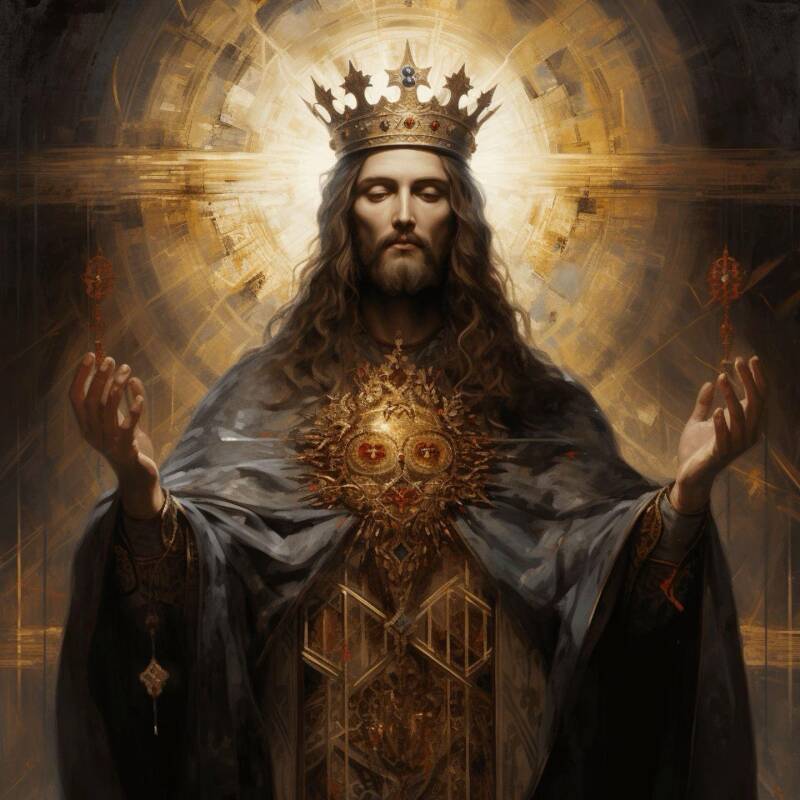
The deepest meaning of the firstborn is ultimately fulfilled in Jesus Christ.
The New Testament calls Jesus:
- “the firstborn over all creation” (Colossians 1:15)
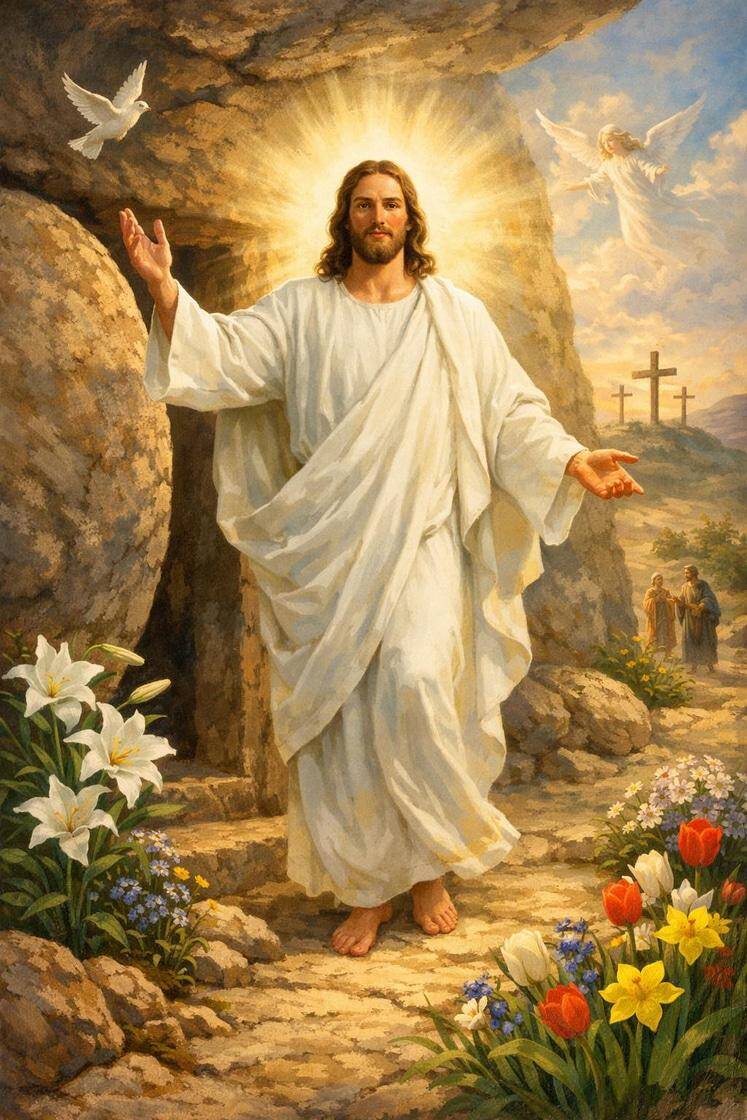
- “the firstborn from among the dead” (Colossians 1:18)
- God’s unique Son with supreme authority and inheritance
This does not mean Jesus was created. Rather, “firstborn” here refers to:
- Preeminence
- Authority
- Supremacy
- Inheritance rights
- Eternal position above all creation
Jesus fulfills everything the biblical firstborn represented:
- Leadership
- Sacrifice
- Redemption
- Inheritance
- Relationship with the Father
Because of Christ, believers are also spiritually adopted into God’s family.
Romans 8:17 says:
“Now if we are children, then we are heirs—heirs of God and co-heirs with Christ.”
Spiritual Lessons About the Firstborn
The biblical theme of the firstborn teaches us several important truths:
1. Life Is a Gift From God
The firstborn reminded families that children and blessings come from the Lord.
2. Blessing Comes With Responsibility
The firstborn carried leadership duties, not just privilege.
3. God Sees Beyond Human Systems
God repeatedly chose unexpected people to accomplish His purposes.
4. Jesus Is the Ultimate Fulfillment
Every theme of inheritance, redemption, sacrifice, and authority points toward Christ.
In Scripture, the firstborn symbolized inheritance, authority, dedication, and covenant relationship with God. Yet the Bible also shows that God’s grace is not limited by human rank or family order. He chooses according to His wisdom and the condition of the heart.
The story of the firstborn ultimately points us to Jesus Christ—the true Firstborn—through whom we are welcomed into the family of God and given an eternal inheritance.
Add comment
Comments